
 Image 1 of 4
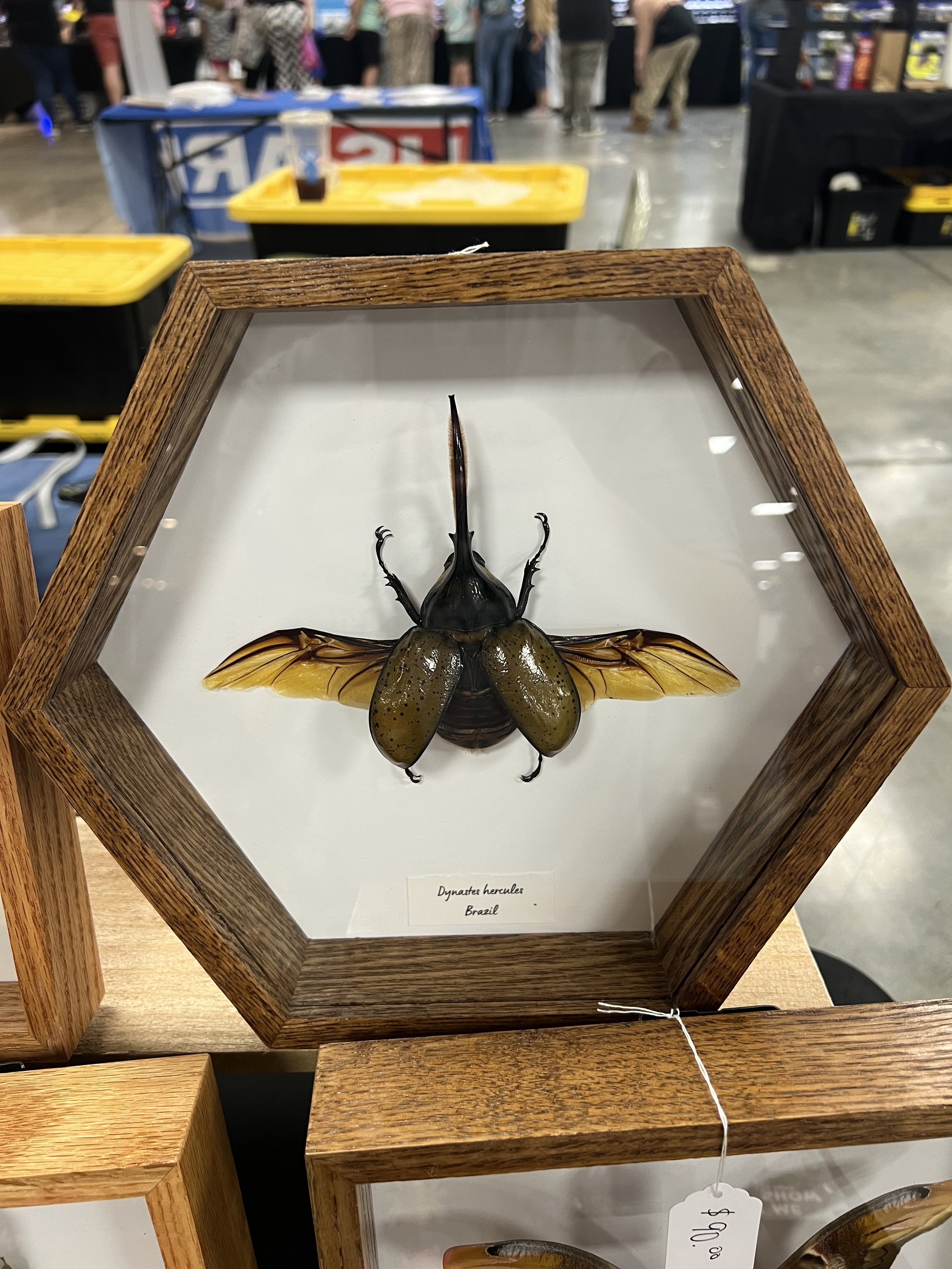 Image 2 of 4
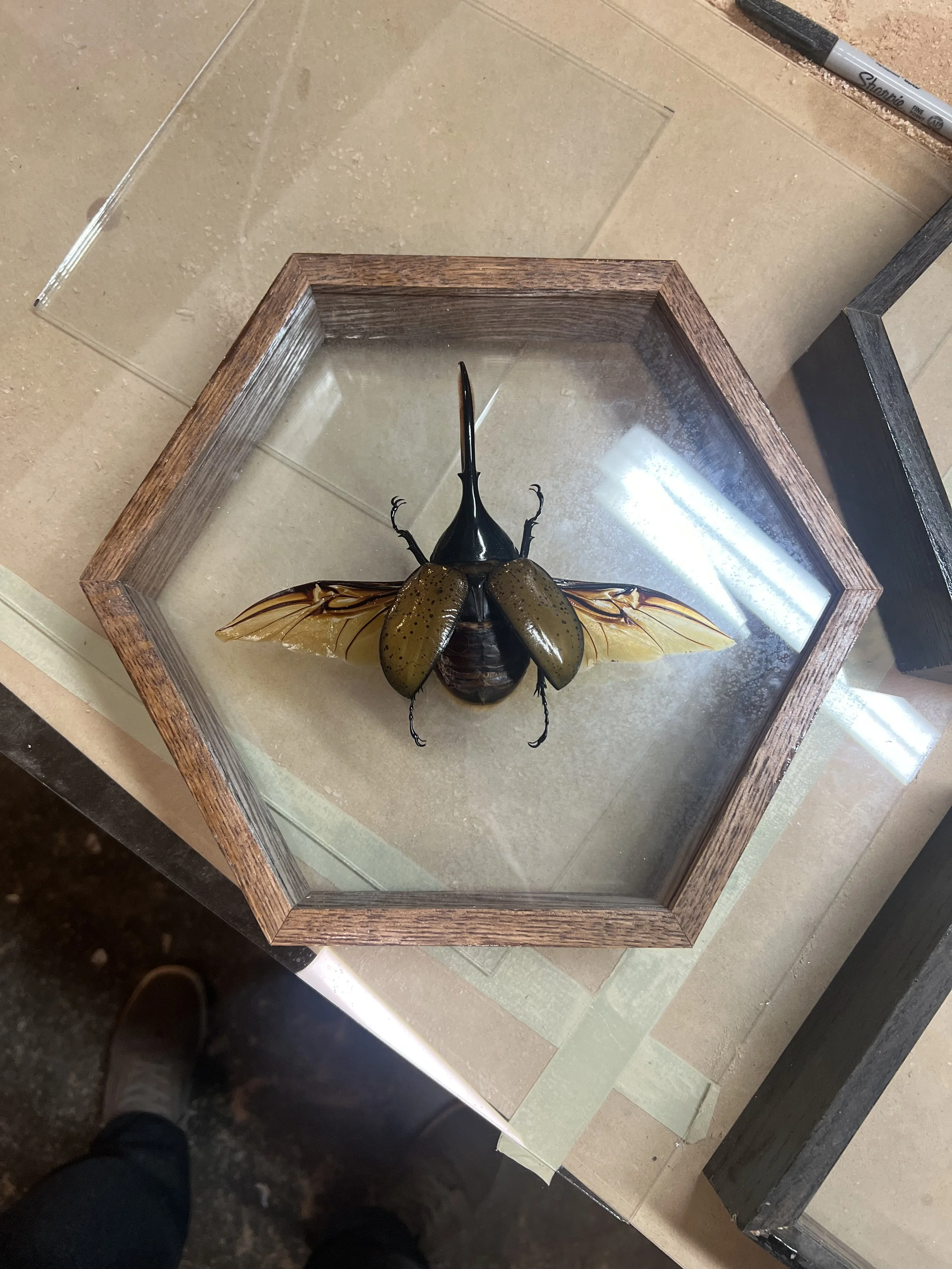 Image 3 of 4
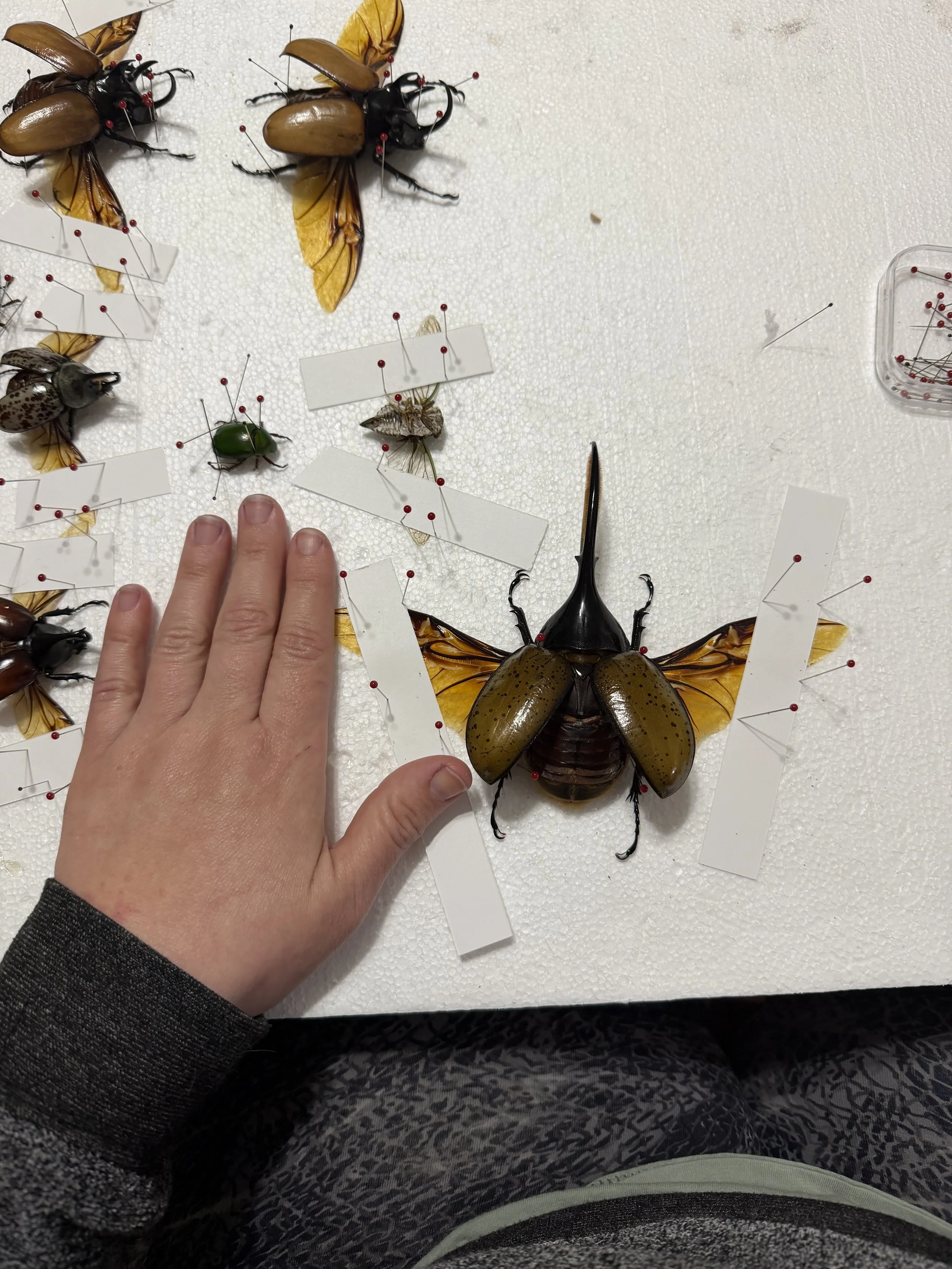 Image 4 of 4
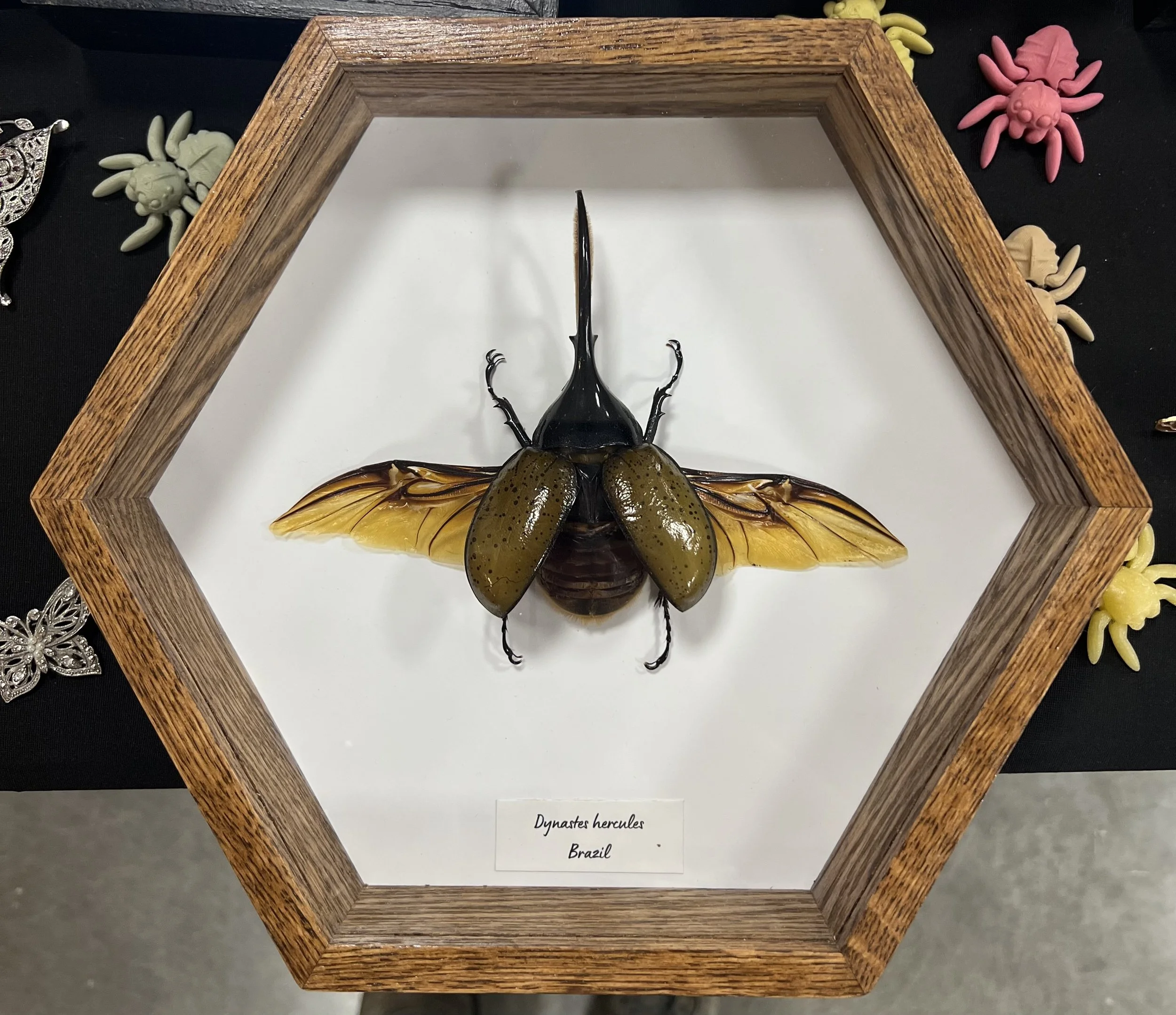
Large Dynastes hercules displayed in a hand-crafted hexagonal oak shadow box
A magnificent male Dynastes hercules, its glossy exoskeleton filling the hexagonal frame, becomes an instant conversation piece. With a body length often reaching 50–85 mm and horns that can add another 30–90 mm, this beetle’s silhouette feels almost heroic as it sits against the deep, natural grain of oak. The handcrafted hexagonal shadow box both protects and elevates the specimen — wood warmth around the cool, iridescent greens and blacks creates a striking contrast that highlights the beetle’s size and sculptural form.
Celebrate size and the wonder of nature
The Hercules beetle is one of the largest species of rhinoceros beetles in the world. Seeing one displayed up close gives a visceral sense of scale you don’t get from photos — the weight of the thorax, the dramatic length of the horn, the fine texture of its elytra.
A shadow box turns a fleeting encounter with an extraordinary insect into a lasting appreciation of natural design. The oak frame’s handcrafted lines and protective glass invite quiet study, encouraging you to notice details: the tiny pits on the elytra, the articulated legs, the subtle color shifts when light moves across the shell.
Displaying a specimen is more than decoration; it’s a reminder of biodiversity, the complex life cycles behind every creature, and why conservation matters — even for critters that look like miniature armored tanks.
Quick facts about Dynastes hercules
Size: Males typically range from about 50 to 85 mm in body length; with horns included, they can measure substantially longer. Females are generally smaller and lack the long cephalic horn.
Horns: Males have a long, curved horn on the pronotum and a smaller horn on the head; they use these as levers in fights over mates and territory.
Strength: Rhinoceros beetles are famously strong — Hercules beetles can lift many times their own weight.
Range: Native to Central and South America, with some species or subspecies extending into parts of southern North America and Caribbean islands.
Diet and life cycle: Larvae feed on decaying wood and leaf litter for several years as they grow; adults typically eat fruit, sap, and nectar. The long larval period is crucial for building the mass needed to become a large adult.
Coloration: Their elytra can show varying colors and sometimes slight iridescence; humidity can even change the apparent color in some Dynastes species.
Why oak and hexagon?
Oak offers durability and a warm, organic backdrop that complements the beetle’s natural tones while protecting the specimen for display.
A hexagon is visually dynamic — it breaks from the standard rectangle and draws attention to the center, framing the beetle like a jewel in a geometric crown.
This handcrafted hexagonal oak shadow box turns the imposing Dynastes hercules into a piece of natural art: a celebration of scale, an invitation to curiosity, and a playful reminder that even the mightiest little creatures deserve a place on the mantel.
Large Dynastes hercules displayed in a hand-crafted hexagonal oak shadow box
A magnificent male Dynastes hercules, its glossy exoskeleton filling the hexagonal frame, becomes an instant conversation piece. With a body length often reaching 50–85 mm and horns that can add another 30–90 mm, this beetle’s silhouette feels almost heroic as it sits against the deep, natural grain of oak. The handcrafted hexagonal shadow box both protects and elevates the specimen — wood warmth around the cool, iridescent greens and blacks creates a striking contrast that highlights the beetle’s size and sculptural form.
Celebrate size and the wonder of nature
The Hercules beetle is one of the largest species of rhinoceros beetles in the world. Seeing one displayed up close gives a visceral sense of scale you don’t get from photos — the weight of the thorax, the dramatic length of the horn, the fine texture of its elytra.
A shadow box turns a fleeting encounter with an extraordinary insect into a lasting appreciation of natural design. The oak frame’s handcrafted lines and protective glass invite quiet study, encouraging you to notice details: the tiny pits on the elytra, the articulated legs, the subtle color shifts when light moves across the shell.
Displaying a specimen is more than decoration; it’s a reminder of biodiversity, the complex life cycles behind every creature, and why conservation matters — even for critters that look like miniature armored tanks.
Quick facts about Dynastes hercules
Size: Males typically range from about 50 to 85 mm in body length; with horns included, they can measure substantially longer. Females are generally smaller and lack the long cephalic horn.
Horns: Males have a long, curved horn on the pronotum and a smaller horn on the head; they use these as levers in fights over mates and territory.
Strength: Rhinoceros beetles are famously strong — Hercules beetles can lift many times their own weight.
Range: Native to Central and South America, with some species or subspecies extending into parts of southern North America and Caribbean islands.
Diet and life cycle: Larvae feed on decaying wood and leaf litter for several years as they grow; adults typically eat fruit, sap, and nectar. The long larval period is crucial for building the mass needed to become a large adult.
Coloration: Their elytra can show varying colors and sometimes slight iridescence; humidity can even change the apparent color in some Dynastes species.
Why oak and hexagon?
Oak offers durability and a warm, organic backdrop that complements the beetle’s natural tones while protecting the specimen for display.
A hexagon is visually dynamic — it breaks from the standard rectangle and draws attention to the center, framing the beetle like a jewel in a geometric crown.
This handcrafted hexagonal oak shadow box turns the imposing Dynastes hercules into a piece of natural art: a celebration of scale, an invitation to curiosity, and a playful reminder that even the mightiest little creatures deserve a place on the mantel.